
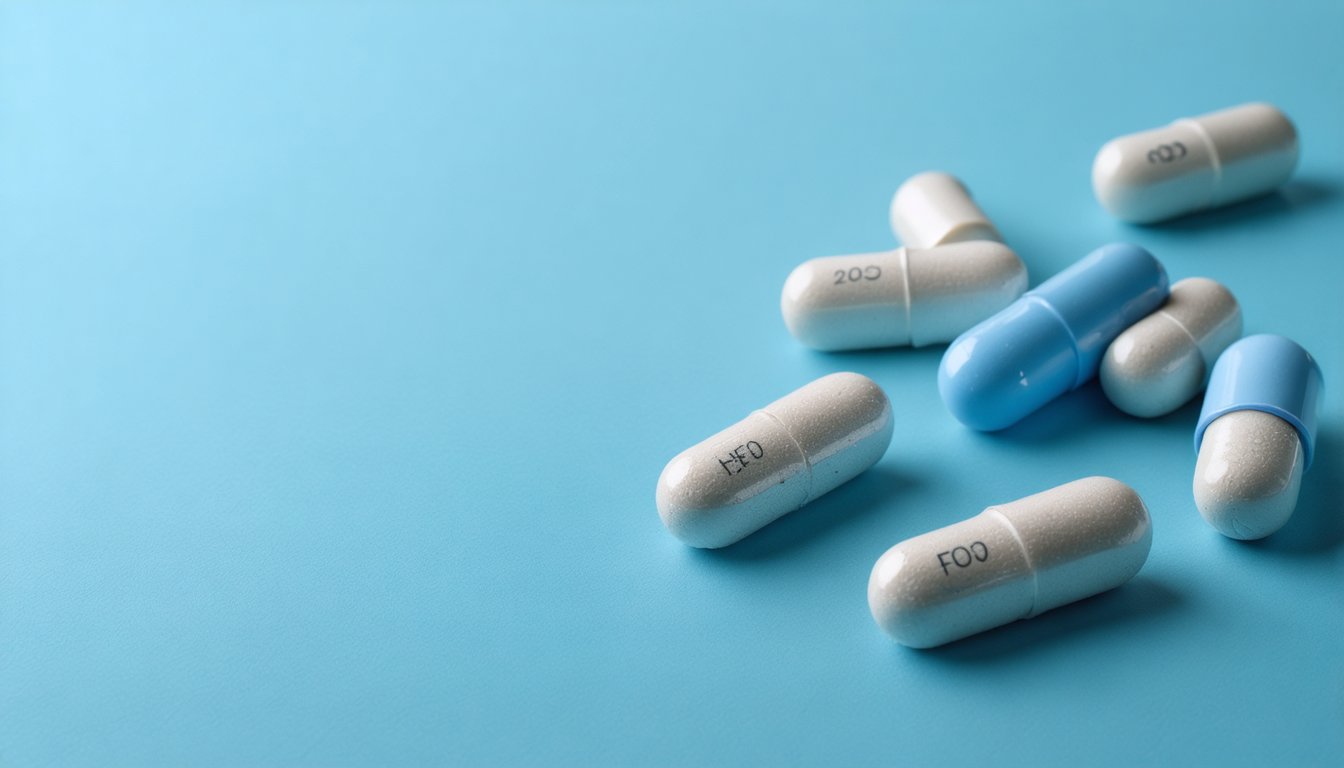
Vardenafil: What It Is and What to Do
Disclaimer: This information is educational and is not a substitute for a doctor’s consultation. Always speak with a qualified healthcare professional regarding diagnosis, treatment options, and medication use.
Vardenafil is a prescription medication primarily used to treat erectile dysfunction (ED) in adult men. If you or your partner are experiencing difficulties with sexual performance, understanding how this medicine works, when it is appropriate, and what precautions to take can help you make informed decisions together with your healthcare provider.
Quick summary in 30 seconds
- Vardenafil is a phosphodiesterase type 5 (PDE5) inhibitor used to treat erectile dysfunction.
- It improves blood flow to the penis during sexual stimulation.
- It does not increase sexual desire and works only with arousal.
- Medical evaluation is essential to rule out cardiovascular or hormonal causes of ED.
What Is Vardenafil (Simple Definition)
Vardenafil is a medication belonging to a group called PDE5 inhibitors. These medicines help relax blood vessels and improve blood flow. In the case of erectile dysfunction, vardenafil supports the natural process that allows the penis to become and remain erect during sexual stimulation.
It is commonly prescribed for adult men who have difficulty achieving or maintaining an erection sufficient for satisfactory sexual activity. It is not approved for use in women or children.
In sexual health care programs such as those described in our Men’s Health and Adult Care section, ED is considered both a physical and emotional condition that may require comprehensive evaluation.
Causes and Risk Factors
Vardenafil does not “cause” erectile dysfunction; rather, it treats it. Understanding the underlying causes of ED is crucial before starting therapy.
Common causes of erectile dysfunction
- Cardiovascular disease (atherosclerosis, hypertension)
- Diabetes mellitus
- Hormonal imbalances (low testosterone)
- Neurological disorders
- Psychological factors (stress, anxiety, depression)
- Medication side effects
Risk factors
- Smoking
- Obesity and sedentary lifestyle
- Excessive alcohol use
- Advancing age
- Chronic kidney or liver disease
ED may also be an early sign of cardiovascular disease. That is why a full medical check-up—such as those offered through our Preventive Health Programs—is often recommended before starting any PDE5 inhibitor.
Symptoms and How to Distinguish from Similar Conditions
The primary symptom treated by vardenafil is:
- Difficulty achieving an erection
- Difficulty maintaining an erection
- Reduced rigidity during sexual activity
Conditions that may look similar
- Low libido: Lack of sexual desire rather than erectile difficulty.
- Premature ejaculation: Ejaculation that occurs sooner than desired.
- Performance anxiety: Situational erection problems related to stress.
Unlike hormonal or psychological disorders, ED related to vascular issues often develops gradually and may worsen over time.
| Symptom | What It May Mean | What to Do |
|---|---|---|
| Erection difficulty in all situations | Possible vascular or neurological cause | Schedule a full medical evaluation |
| Situational erectile problems | Possible psychological factor | Consider counseling and medical assessment |
| Reduced sexual desire | Possible hormonal imbalance | Request hormone testing |
Diagnosis (How It Is Usually Confirmed)
There is no single “vardenafil test.” Instead, doctors diagnose erectile dysfunction and determine whether PDE5 inhibitors are appropriate.
Common diagnostic steps
- Detailed medical and sexual history
- Physical examination
- Blood tests (glucose, lipid profile, testosterone)
- Blood pressure measurement
- Cardiovascular risk assessment
In some cases, additional tests such as penile Doppler ultrasound or nocturnal penile tumescence testing may be recommended.
Specialized clinics like our Center for Comprehensive Adult Care provide coordinated assessments that include cardiovascular and metabolic screening when needed.
Treatment and Approaches (Overview)
Vardenafil is one of several PDE5 inhibitors used to treat ED. Others include sildenafil and tadalafil. The choice depends on patient characteristics, medical history, and physician judgment.
How vardenafil works
It enhances the effect of nitric oxide, a natural chemical the body produces during sexual arousal. This leads to increased blood flow to the penis.
Important considerations
- Works only with sexual stimulation.
- Should be taken exactly as prescribed.
- Not safe with nitrate medications (used for chest pain).
- May interact with certain blood pressure medications.
Never self-prescribe. A physician will evaluate cardiovascular status before recommending this therapy.
Other treatment options
- Lifestyle modification (weight loss, exercise)
- Psychological counseling
- Hormonal therapy (if deficiency confirmed)
- Vacuum erection devices
- Penile injections or surgical implants (in severe cases)
Comprehensive sexual health services, like those described in our Sexual Wellness and Adult Expert Plus Programs, often combine medical and psychological support.
Possible Complications and When to See a Doctor Urgently (Red Flags)
Most men tolerate vardenafil well, but side effects can occur.
Common side effects
- Headache
- Flushing
- Nasal congestion
- Dizziness
- Indigestion
Seek urgent medical attention if you experience:
- Chest pain during or after sexual activity
- Sudden vision or hearing loss
- An erection lasting more than 4 hours (priapism)
- Severe allergic reaction (swelling, difficulty breathing)
These events are uncommon but require immediate evaluation.
Prevention and Lifestyle
Although medications like vardenafil can improve erectile function, long-term sexual health depends heavily on overall wellness.
Evidence-based lifestyle strategies
- Regular aerobic exercise
- Balanced diet (Mediterranean-style patterns are often recommended)
- Smoking cessation
- Limiting alcohol intake
- Managing diabetes and hypertension
- Stress reduction techniques
Preventive care programs, including cardiovascular screening and metabolic monitoring, can significantly reduce ED risk.
FAQ
1. Is vardenafil the same as Viagra?
No. Both are PDE5 inhibitors, but they contain different active ingredients (vardenafil vs. sildenafil). They have similar mechanisms but differ slightly in onset and duration.
2. How long does it take to work?
Onset time varies. Always follow your doctor’s instructions and product labeling.
3. Can I take vardenafil every day?
Some dosing strategies may allow regular use, but only a healthcare provider can determine suitability.
4. Does it increase sexual desire?
No. It improves blood flow but does not affect libido directly.
5. Is it safe for heart patients?
It depends on the individual’s cardiovascular condition. Men taking nitrates should not use it. A cardiac evaluation is essential.
6. Can younger men use it?
It is approved for adult men with diagnosed ED. Psychological causes should be carefully evaluated in younger patients.
7. Are there natural alternatives?
Some supplements claim to improve sexual performance, but evidence varies and safety is not always guaranteed. Consult a doctor before using any supplement.
8. Can diabetes-related ED be treated with vardenafil?
Yes, in many cases PDE5 inhibitors are effective in men with diabetes, though response rates may vary.
Sources
- U.S. Food and Drug Administration (FDA): https://www.fda.gov/
- MedlinePlus – Erectile Dysfunction: https://medlineplus.gov/erectiledysfunction.html
- American Urological Association (AUA): https://www.auanet.org/
- Mayo Clinic – Erectile Dysfunction Overview: https://www.mayoclinic.org/